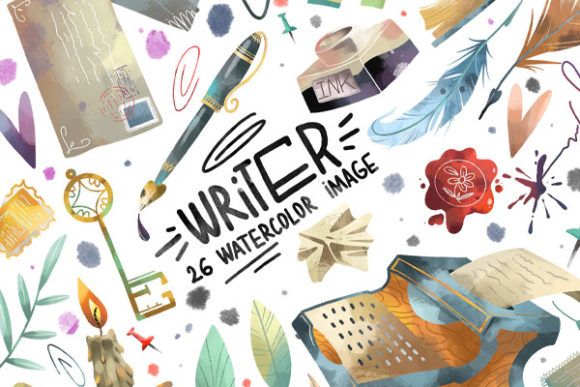
Watercolor Writer Clipart. Typewriter.
First Impressions: A Delicate Blend of Nostalgia and Artistry
The Watercolor Writer Clipart. Typewriter. immediately evokes a sense of vintage charm and artistic flair. Its soft, watercolor-style rendering of a typewriter creates a whimsical yet sophisticated mood. The design’s layout is clean and balanced, making it ideal for embroidery projects that require a touch of elegance without overwhelming detail.
The visual personality of the design leans toward handmade and personalized items, such as custom apparel, baby clothes, or decorative home goods. It feels like a natural fit for products that aim to tell a story or evoke a specific emotion, rather than being purely functional.
Real-World Embroidery Performance: Where It Shines and Where It Needs Care
When considering the Watercolor Writer Clipart. Typewriter. for real-life embroidery situations, its performance depends on how it’s applied. On standard fabrics like cotton or canvas, the design holds up well, especially when using satin stitch and fill stitch techniques. The level of detail is sufficient for most applications, but it may not be ideal for very small hoop sizes where intricate parts could get lost.
For custom apparel, sweatshirts, and tote bags, the design works beautifully. It adds a unique, handcrafted feel that appeals to customers looking for something different. However, on textured or stretchy fabrics, the design might not sit as smoothly, requiring extra attention to stabilizer use and stitch density.
On dark fabrics, the design can still be visible, but thread color contrast becomes crucial. Light-colored threads may not show up well, so choosing the right color palette is essential. For thin or delicate fabrics, a lightweight stabilizer will help maintain the integrity of the design during stitching.
Where to Use It with Caution
- Small hoop sizes: The design’s finer details may not translate well in limited space.
- Textured fabrics: The design could lose clarity if the fabric has a heavy weave or pattern.
- Thin or stretchy fabric: Extra stabilizer is needed to prevent distortion.
- Dark fabric: Ensure thread colors are bold enough to stand out.
- Curved surfaces: Caps or hats may require repositioning the design to avoid stretching.
- Dense stitch areas: The design may become too thick or stiff if over-stitched.
For products that see frequent washing, consider the durability of the design. While it holds up well under normal conditions, high heat or aggressive detergents could affect the longevity of the embroidery.
Impact on Visual Appeal and Customer Perception
The Watercolor Writer Clipart. Typewriter. enhances the visual appeal of any project it’s used on. Its soft, artistic style makes it perfect for handmade products that aim to stand out in a crowded market. When used on embroidered patches, tote bags, or holiday gifts, it adds a personal, thoughtful touch that customers appreciate.
Stitching clarity is key here. If the design is too dense or the thread colors clash, it can detract from the overall look. Ensuring proper stitch density and testing on different fabric types helps maintain the design’s intended aesthetic.
From a commercial standpoint, this clipart can elevate the perceived value of a product. As an Etsy seller or small shop owner, using it on custom apparel or printable mockups can attract buyers looking for unique, artisanal items. It also supports brand consistency, especially for businesses that want to maintain a cohesive visual identity across their offerings.
Practical Designer Notes: What to Check Before Using
Before incorporating the Watercolor Writer Clipart. Typewriter. into your work, take the following steps:
- Test on scrap fabric: Always test the design on a sample piece to see how it looks and feels.
- Check thread color contrast: Make sure the chosen thread colors work well with the fabric and design elements.
- Review stitch density: Adjust the density to match the design’s complexity and the fabric type.
- Confirm hoop size: Ensure the design fits comfortably within your machine’s hoop dimensions.
- Inspect small details: Look closely at corners, lines, and curves to ensure they’re clear and sharp.
- Test in black and white mockups: This helps assess how the design translates without color.
- Compare light and dark backgrounds: See how the design appears on different fabric colors.
- Use proper stabilizer: Stabilizers prevent puckering and ensure the design stays in place.
- Check licensing: Confirm whether the design is suitable for both personal and commercial use.
These steps help ensure that the final product meets your standards and customer expectations. Whether you're creating a custom embroidered gift or a digital product for sale, these precautions make a big difference.
Best Fit: Handmade, Personalized, and Commercial Projects
The Watercolor Writer Clipart. Typewriter. is best suited for handmade products, personalized gifts, and custom apparel. It works well for baby items, holiday decorations, and boutique merchandise that requires a unique, artistic touch. Its versatility allows it to be used in both personal and commercial settings, provided the licensing terms are understood and followed.
As a digital embroidery file, it can be used in printable mockups, design assets, or as part of a larger collection. For craft businesses and Etsy sellers, it offers a way to create standout products that resonate with customers looking for something special.