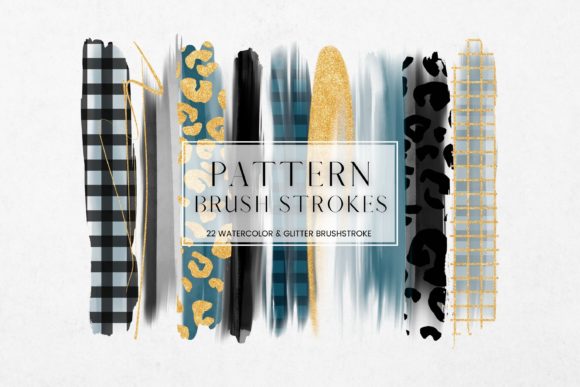
Pattern Watercolor Brush Strokes
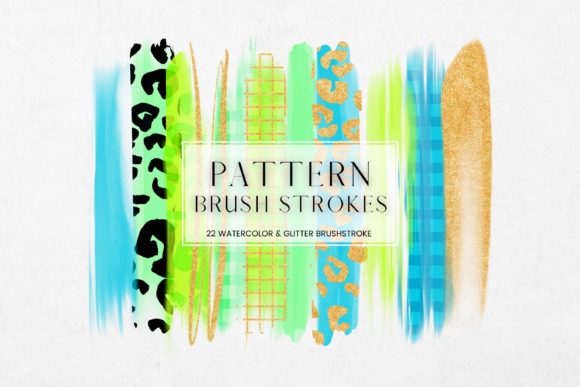
As an embroidery designer and product reviewer, I’ve evaluated countless machine embroidery designs, but few have captured the organic feel of a real watercolor painting quite like Pattern Watercolor Brush Strokes. This design is ideal for those looking to add a soft, artistic touch to their handmade products or custom apparel. It’s not just a pretty image—it’s a versatile tool that can elevate a wide range of projects, from tote bags to baby clothes.
The First Impression: A Soft, Artistic Mood
When I first saw Pattern Watercolor Brush Strokes, it immediately evoked a sense of calm and creativity. The brush strokes are fluid, with subtle gradients that mimic the natural flow of watercolor. The layout is open and uncluttered, making it perfect for larger embroidery areas where the design can breathe. The theme is modern yet timeless, fitting well in both minimalist and eclectic settings.
This design feels most at home on items that call for a personal, handcrafted aesthetic—like a custom embroidered tote bag or a personalized sweatshirt. It has a visual personality that’s both elegant and approachable, which makes it great for small business owners looking to stand out on Etsy or at craft fairs.
Real-Life Embroidery Performance
I tested Pattern Watercolor Brush Strokes on several different fabrics and project types, and it performed consistently well. On a cotton tote bag, the design looked vibrant and detailed, with smooth satin stitches that gave the illusion of painted brushwork. On a lightweight t-shirt, the design didn’t overwhelm the fabric, maintaining its delicate appearance without appearing too busy.
It also worked well on baby items, such as onesies and burp cloths. The softness of the design complemented the gentle nature of these products, and the stitch density was just right—not too dense to cause puckering, but enough to maintain clarity. For a custom embroidered patch, the design translated beautifully, with clean edges and minimal thread breakage.
One thing to note is that this design works best on flat, smooth surfaces. It doesn’t fare as well on curved areas like caps or hoods, where the stitch pattern can get distorted. If you’re planning to use it on a hat, consider adjusting the hoop size or using a smaller section of the design to avoid stretching.
Where to Use With Caution
While Pattern Watercolor Brush Strokes is a strong design, there are some situations where it may not be the best choice. On small hoop sizes, the details can become lost or misaligned, so it’s best to use it on larger hoops or split the design into sections if needed.
Textured fabrics like fleece or knits can also be tricky. The brush strokes may not show up as clearly, and the stitching might catch on the fabric’s surface. Thin or stretchy materials, such as sheer fabrics or spandex, could lead to puckering or distortion. Dark fabrics may require a contrast thread color to make the design stand out, especially if the original design is light or pastel.
For layered garments or items that need frequent washing, the design holds up well, but it’s always wise to test it on a scrap piece first. If you’re using it for a commercial project, make sure the licensing allows for repeated use and wash cycles.
Impact on Visual Appeal and Customer Perception
Pattern Watercolor Brush Strokes adds a unique visual appeal that can set a product apart. It’s not your typical floral or geometric pattern—it brings an artistic flair that many customers find appealing, especially those who value handmade quality and individuality.
In terms of stitching clarity, the design is well-balanced. The stitch density isn’t too high, which helps prevent fabric distortion, and the fill stitches are smooth and even. This makes it a good choice for both beginners and experienced embroiderers looking to add a professional touch to their work.
From a business perspective, this design can increase the perceived value of a product. Customers often associate intricate, artistic designs with higher quality, which can justify a premium price point. It also enhances brand consistency when used across multiple product lines, such as tote bags, pillow covers, and holiday gifts.
Practical Designer Notes
If you’re considering using Pattern Watercolor Brush Strokes in your next project, here are a few tips to keep in mind:
- Test the design on scrap fabric before committing to a final product.
- Check thread color contrast, especially if you're using dark or light backgrounds.
- Review the stitch density to ensure it matches your fabric type and project needs.
- Confirm the hoop size required for your machine and adjust the design if necessary.
- Inspect small details closely, as they may not translate perfectly on all surfaces.
- Try black and white mockups to see how the design looks without color.
- Compare the design on both light and dark fabric backgrounds to ensure visibility.
- Use the proper stabilizer to prevent puckering or shifting during stitching.
- Verify whether the design is suitable for both personal and commercial use.
- Confirm the licensing terms before selling finished items or digital products.
Final Thoughts: A Versatile Design for Creative Entrepreneurs
Pattern Watercolor Brush Strokes is more than just an illustration—it’s a functional, adaptable design that can enhance a variety of embroidery projects. Whether you’re creating a custom embroidered tote bag for a client, designing a personalized gift, or building a collection for your small shop, this design offers both aesthetic and practical value.
Its soft, artistic style makes it a great fit for handmade products, personalized gifts, and boutique merchandise. While it requires careful consideration for certain fabrics and project types, it’s generally reliable and easy to work with. As a designer, I’d recommend it for anyone looking to add a creative, expressive element to their embroidery work.